
Driveways
BMS Building lays new and replacement driveways across Watford, St Albans, Hemel Hempstead and Harrow. The main surfaces are block paving and resin, and every job is quoted by Perry Niven after a site visit, with over twenty years behind the work.
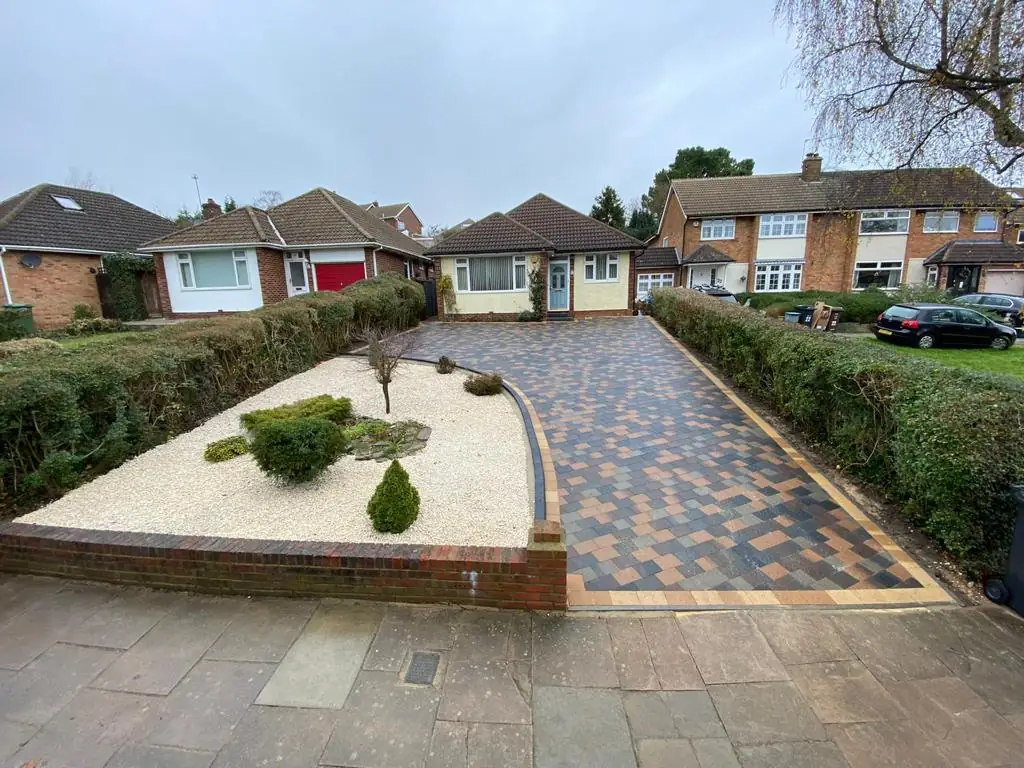
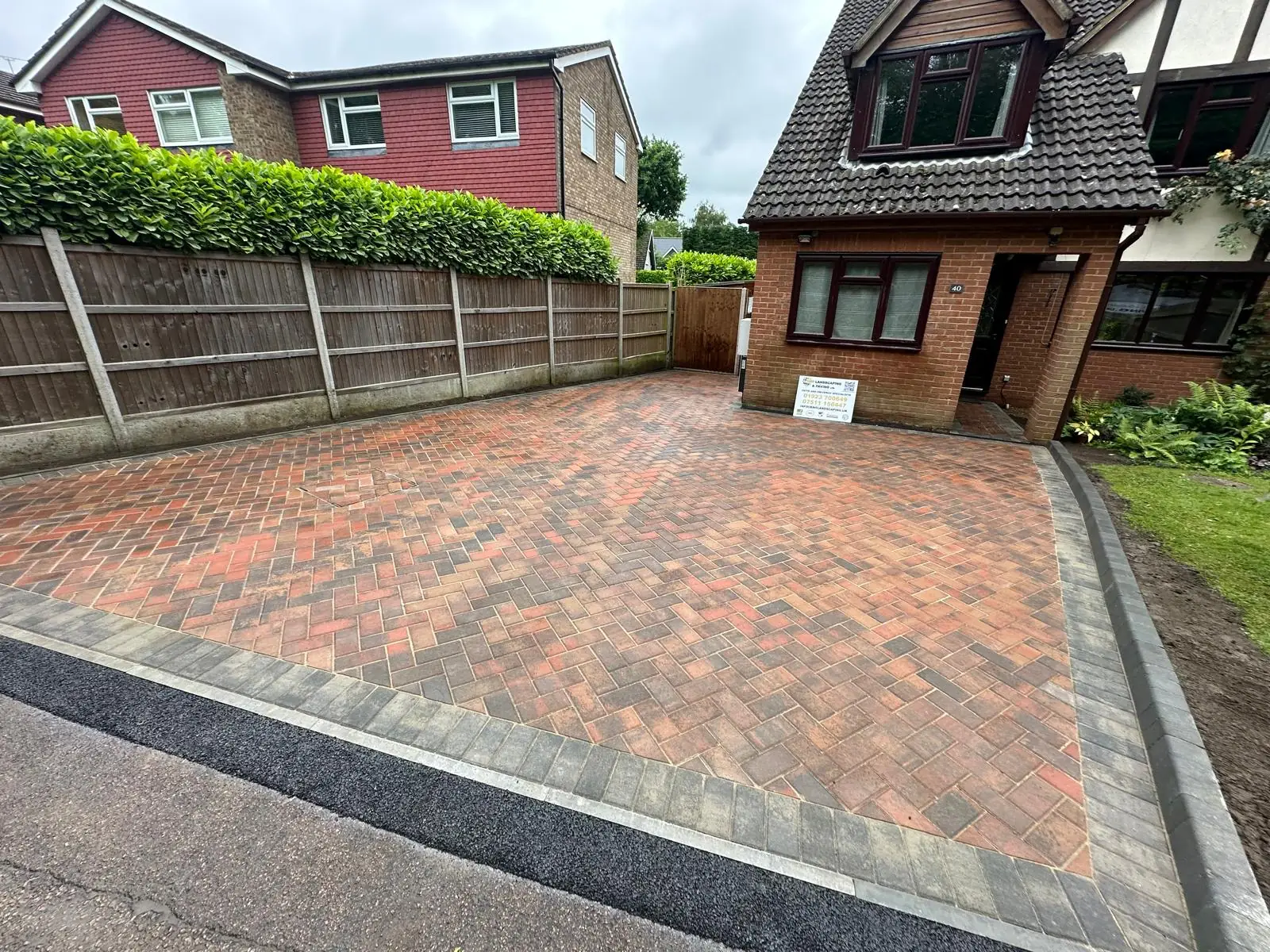
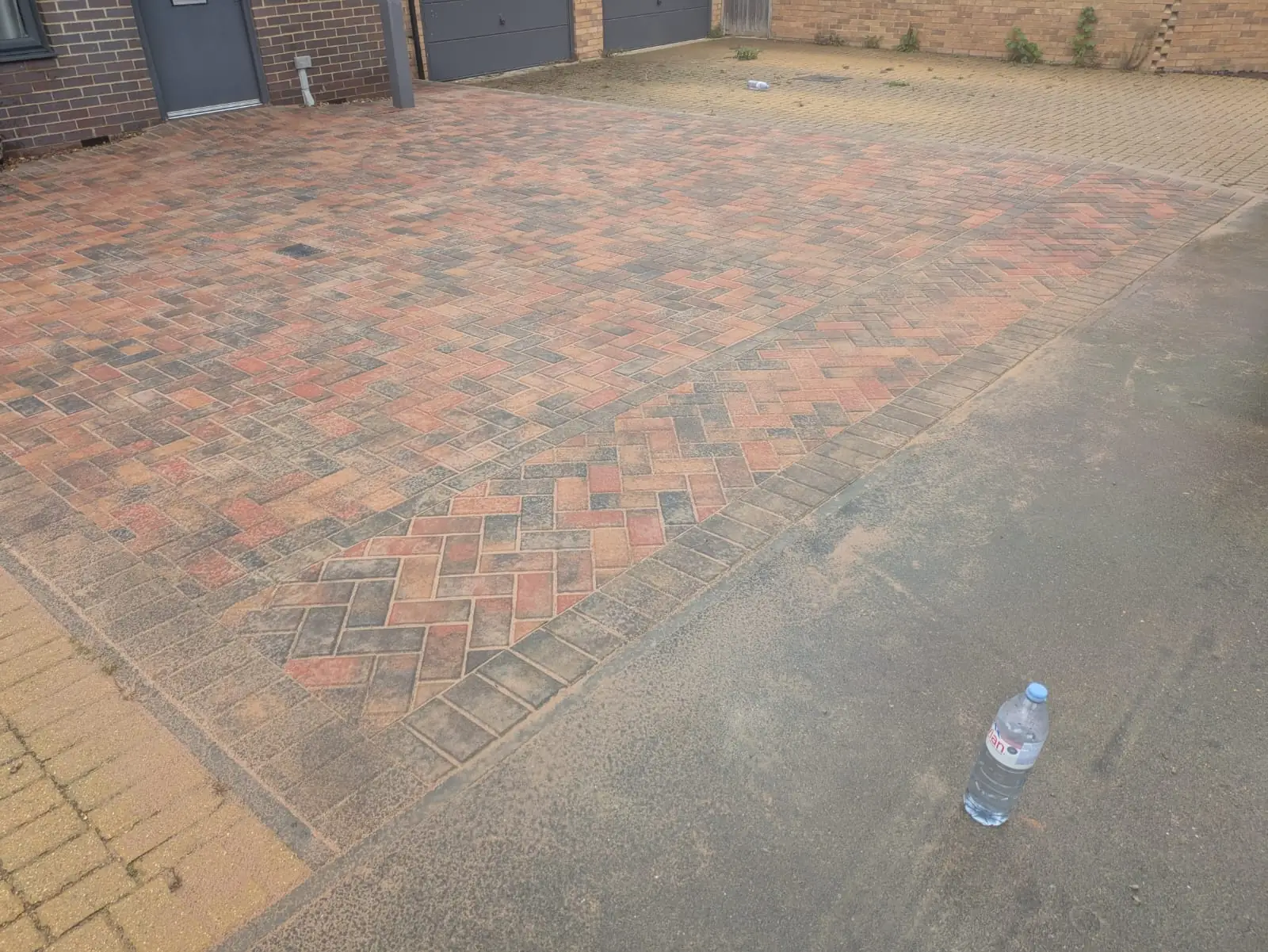
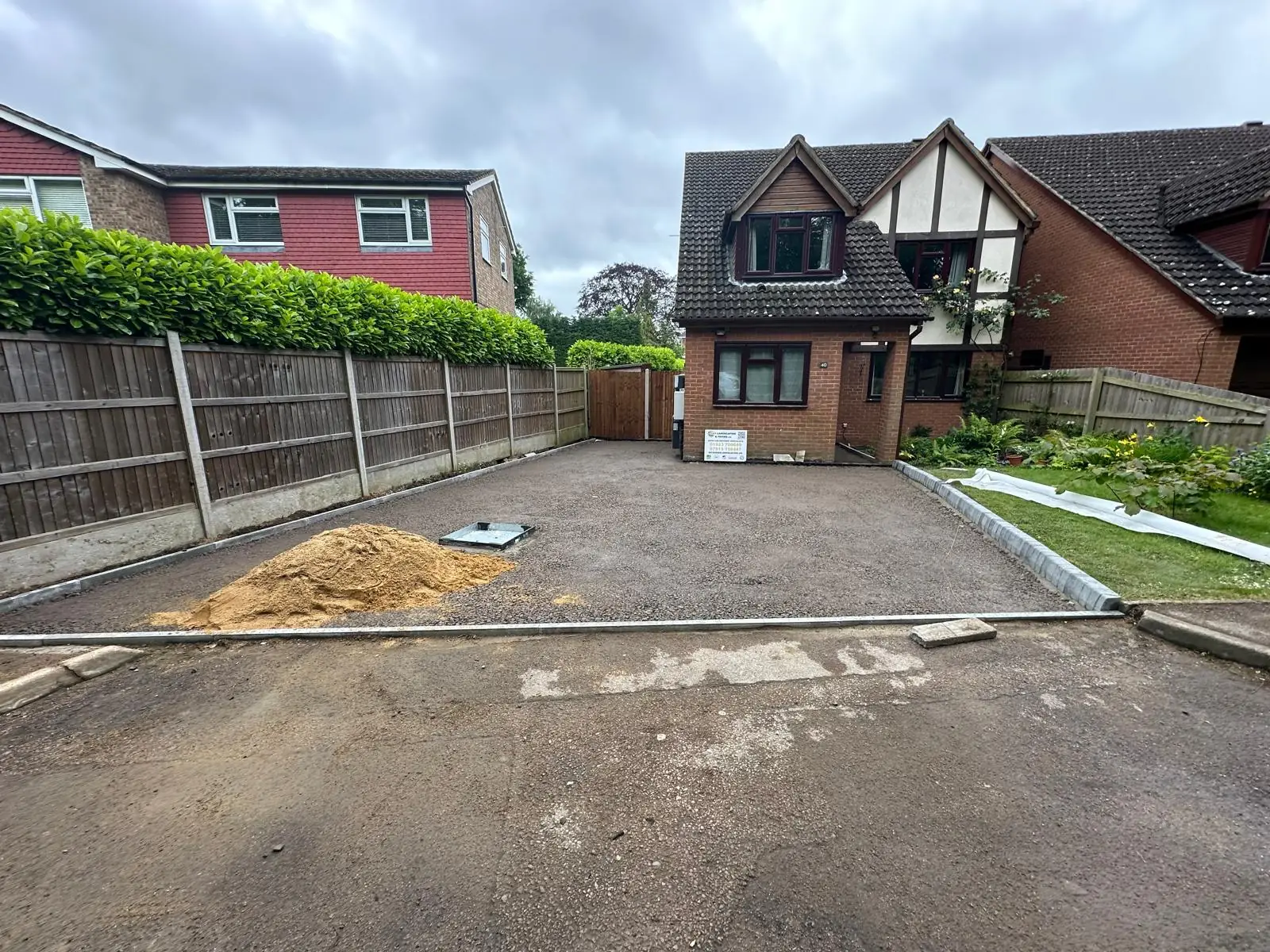
A driveway is the largest piece of hard landscaping most houses have, and the one that takes the most punishment. It carries the weight of a car every day, it takes the water off the front of the house, and it is the first thing anyone sees. Most of what decides whether it lasts is buried out of sight before the surface goes anywhere near it.
BMS Building lays driveways across Watford, St Albans, Hemel Hempstead and Harrow, and works more widely across Hertfordshire and the northwest London border, including Borehamwood, Rickmansworth and Bushey.
Choosing a surface
There is no single best driveway. There is the one that suits your ground, your budget, how you use the drive and how much upkeep you want to do.
Block paving
Individual blocks laid on a compacted base and locked together by their own pattern and a restrained edge. It handles turning and braking well, it comes in permeable versions that answer the drainage rules, and a damaged block can be lifted and swapped rather than patched. It is the most repairable driveway surface there is.
Resin driveways
Aggregate mixed with resin and trowelled out to a seamless finish. It is smooth, it has no joints for weeds to find, and resin bound over a permeable build up drains through the surface. It depends completely on the base underneath it being right, which is why the base is most of the job.
Paving, patios and paths
The same trade, different work. Patios, paths, steps and edging in natural stone, porcelain and concrete flags, often done at the same time as a drive so the levels and the drainage are planned as one thing rather than two.
What goes in below the surface
The surface is the part you see and the smallest part of the work. Under it, in order:
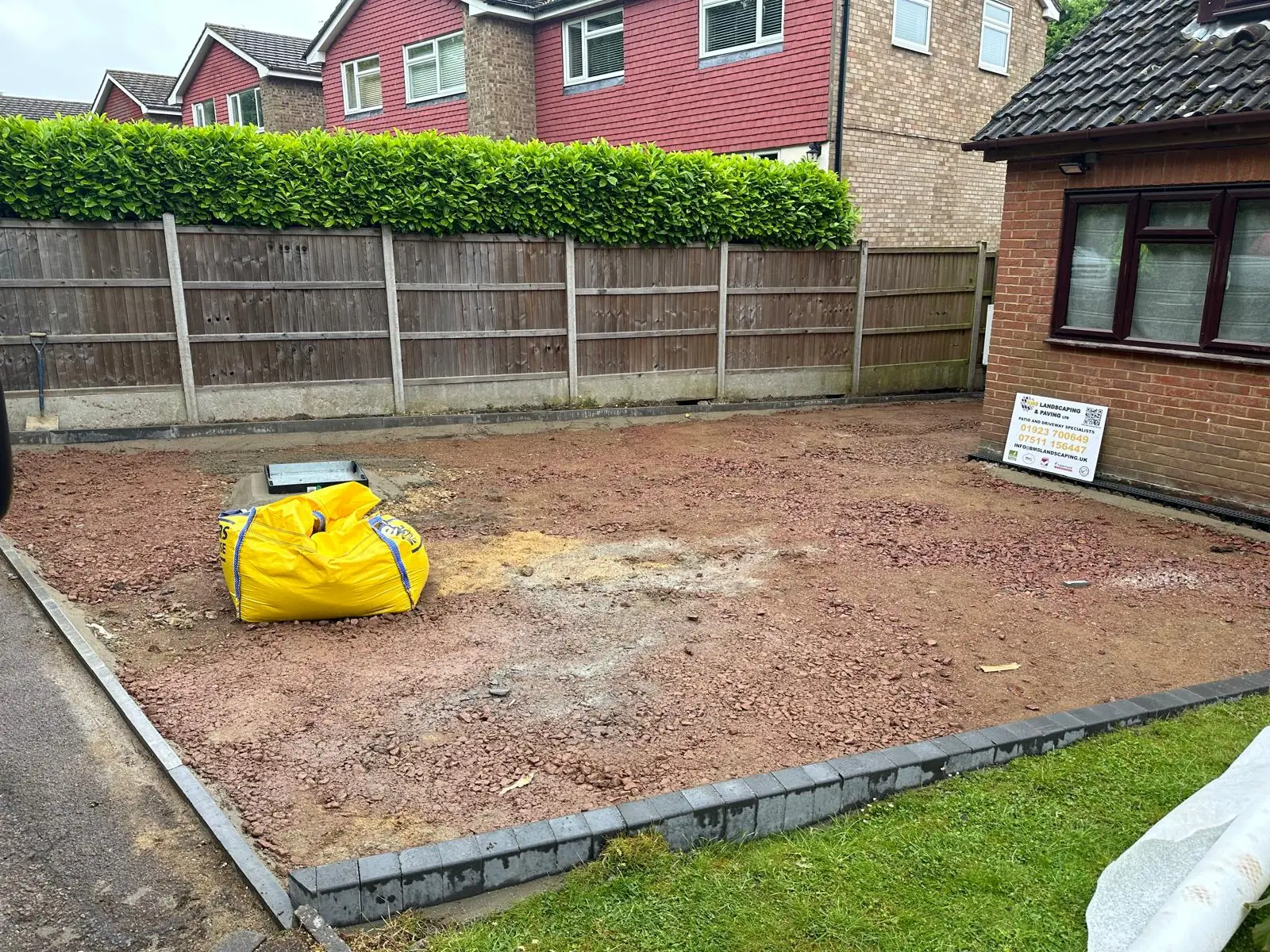
- The dig out. The existing surface and enough of the ground below it comes away to make room for the build up. How deep depends on what is underneath and what the drive has to carry.
- The sub-base. Crushed stone, laid and compacted in layers. This is the structural layer. It spreads the weight of a car across the ground rather than letting it press into one spot, and a sub-base that was not compacted properly is the single most common reason a driveway dips, rocks or sinks in wheel tracks.
- Edge restraint. Blocks and paving push outwards under load. A haunched edge, bedded in concrete, is what stops the whole surface spreading and opening up joints along the sides.
- Falls and drainage. The finished surface is laid to run water somewhere deliberate, away from the house.
- The surface itself.
Depths are decided by what is actually found on site, not by a number picked in advance. Soft or wet ground needs more build up than firm ground does. That is one of the things the site visit is for.
Drainage and planning permission
This is the rule people are most often told wrong, so here it is plainly.
In England, laying a new or replacement hard surface of more than five square metres in a front garden needs planning permission, unless one of two things is true: the surface itself is permeable, or the water runs off onto a lawn or border where it can soak away naturally.
That is why permeable block paving and resin bound over a permeable build up both come up so often. They are not upsells. They are two of the ways a front driveway stays within permitted development. A sealed surface draining straight onto the pavement or into a road drain is the case that needs permission.
Replacing an old drive counts the same as laying a new one. A conservation area or a listed building does not change the rule on its own. An Article 4 direction or a condition on the house's planning permission can take the permitted development right away, and taking down a front wall or railings to make room for a drive can need its own consent. Check your own address with your local council before work starts rather than after.
On every front driveway, Perry Niven goes through the drainage and the council rules with you.
Waste leaves site legally
An old driveway coming up produces a lot of broken material and spoil. BMS (trading as BMS Building & Groundworks Ltd, formerly BMS Landscaping & Paving Ltd) holds an Environment Agency waste carrier licence, CBDU453042, so what comes off your drive is carried and disposed of legally. It is worth asking any contractor for their licence number. Waste that is fly tipped can be traced back to the address it came from.
What to ask any driveway contractor
Five questions that will tell you more than a brochure will:
- How deep are you digging, and what is the sub-base? A contractor who cannot answer this is quoting on a surface, not a driveway.
- How is the edge restrained? "Haunched in concrete" is the answer you want.
- Where is the water going? They should be able to point at it.
- Is the surface permeable, or is there a drainage plan? See the planning rule above.
- What is your waste carrier licence number? It is a real licence with a real number, and it takes a moment to check.
Working with BMS Building
Perry Niven founded BMS Building and quotes every job himself. Over twenty years of driveways, patios and groundworks sit behind the work.
- Vetted TrustATrader member since 7 March 2018, membership TT13412
- Tobermore Registered Paving Contractor, held by BMS (trading as BMS Building & Groundworks Ltd, formerly BMS Landscaping & Paving Ltd)
- Brett Approved Paving Contractor (BMS's own statement)
- Environment Agency registered waste carrier, CBDU453042, held by BMS (trading as BMS Building & Groundworks Ltd, formerly BMS Landscaping & Paving Ltd)
- A 6 year installation guarantee as standard, plus the manufacturer's guarantee on materials
Pricing is open and upfront. Every quote follows a site visit, because what a driveway costs depends on its size, the surface you choose, what has to come out first and what the ground turns out to be. The price agreed at the start is the price at the end.
Book a site visit
Tell us roughly what you have and what you want, and Perry will come and look at it.
Common questions
Do I need planning permission for a new driveway?
In England, a new or replacement hard surface in a front garden of more than five square metres needs planning permission unless the surface is permeable, or unless the rainwater runs off to a lawn or a border where it can soak away. Permeable block paving and resin bound laid over a permeable build-up are both ways of meeting that. Being in a conservation area or a listed building does not change that on its own. An Article 4 direction or a condition on the house's planning permission can take the permitted development right away, and taking down a front wall or railings for the drive can need its own consent. Check your own case with your local council before work starts.
How long does a driveway take?
A standard two car driveway takes 3 to 5 days. Beyond that, it depends on the size of the drive, the surface, how much has to come out first and what the ground underneath turns out to be like. A straightforward replacement on a sound base is a short job. A drive that needs digging out, new drainage and a full sub-base takes considerably longer, and resin needs its base to cure before the surface goes down. You will get the expected timescale in writing with your quote, once the site has been seen.
What happens at the site visit?
Perry Niven comes out himself. He measures up, looks at the levels and the fall, checks what is already there and how deep it goes, works out where the water will go, and talks through the surfaces that suit the drive. You get a price for that specification. It is agreed upfront and it does not change halfway through the job.
Can you lay a new driveway over the old one?
Sometimes, and only after someone has looked at it. Resin can be laid over existing concrete or tarmac if that base is sound, level and properly drained. Block paving needs a compacted sub-base, so an old surface usually comes up. Laying a new surface over a failing base hides the problem rather than fixing it, and it fails in the same places a year or two later.