
Groundworks
BMS Building carries out groundworks across St Albans, Hemel Hempstead, Watford and Harrow, for builders and main contractors as well as homeowners. The work covers excavation and ground preparation, sub-bases, levels and retaining, machine hire and waste removal, quoted by Perry Niven after a site visit.
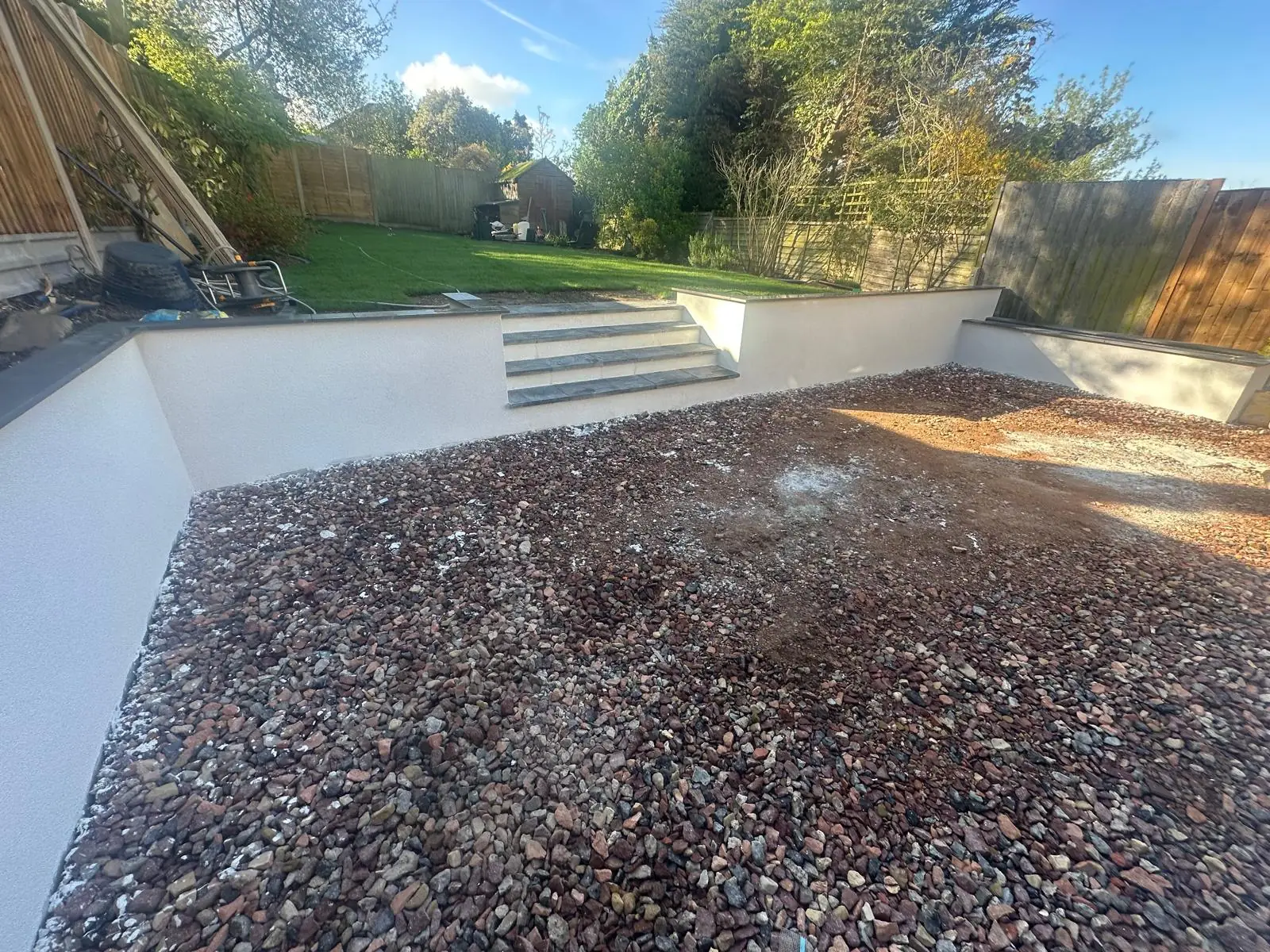
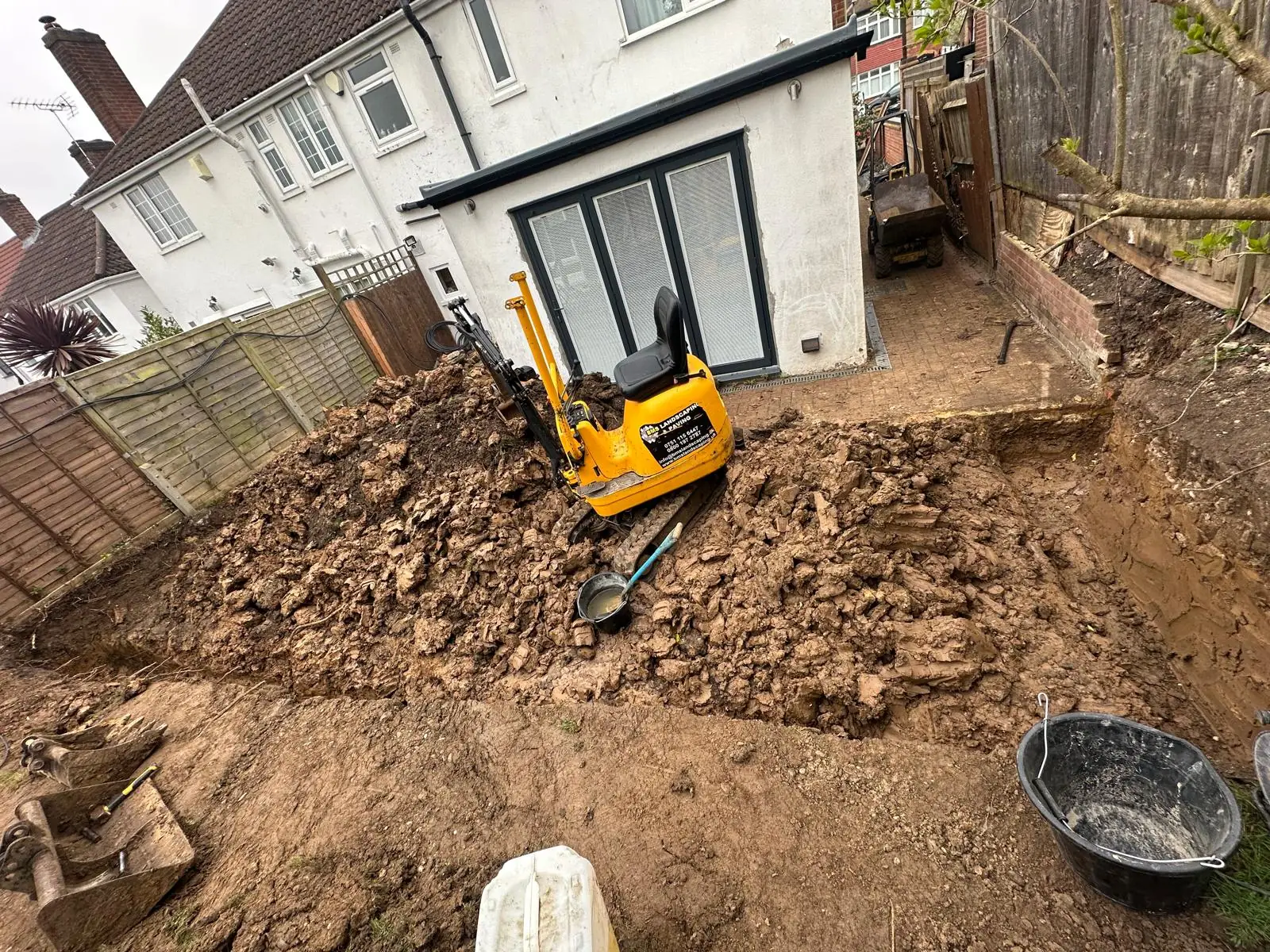
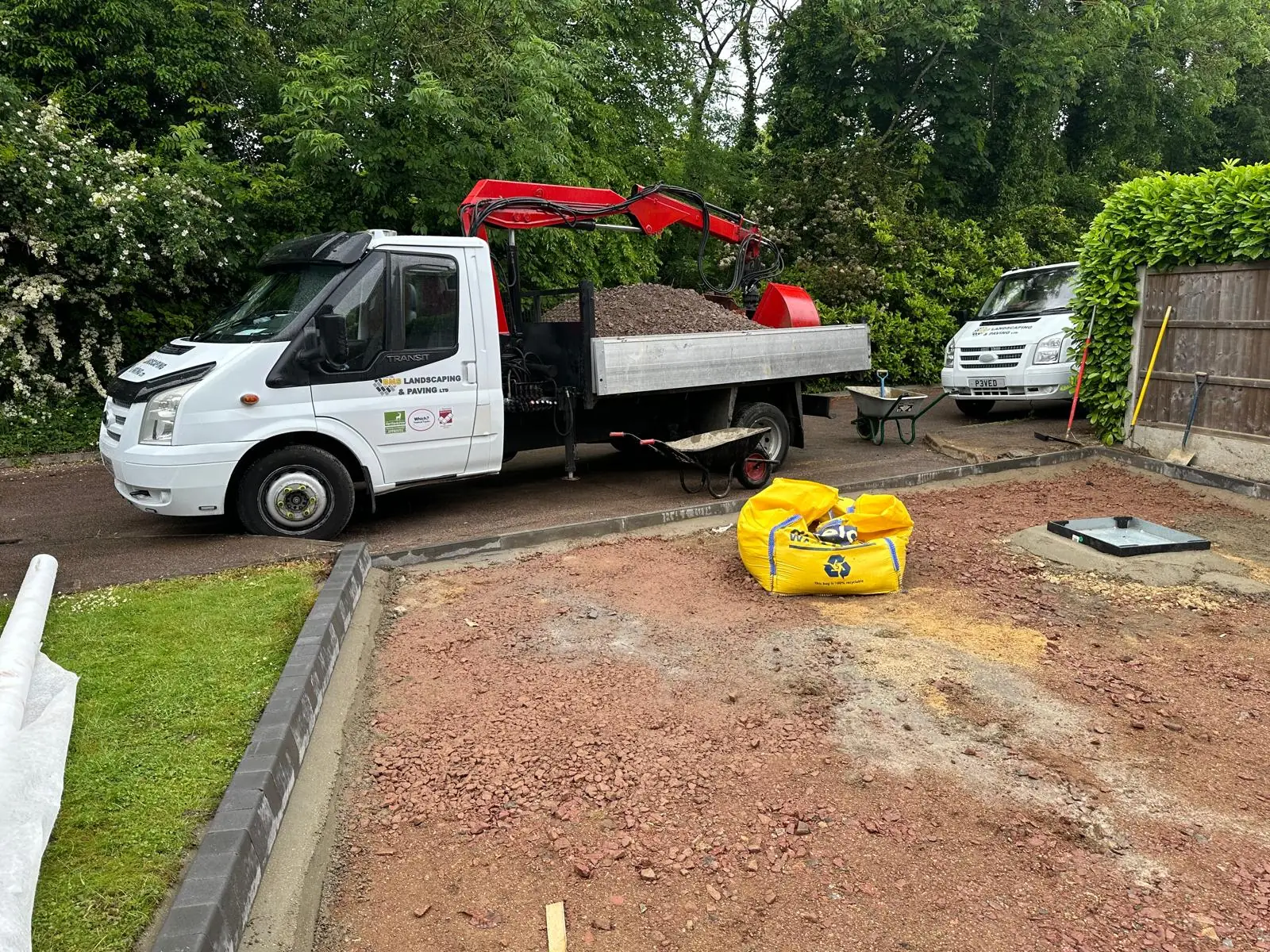
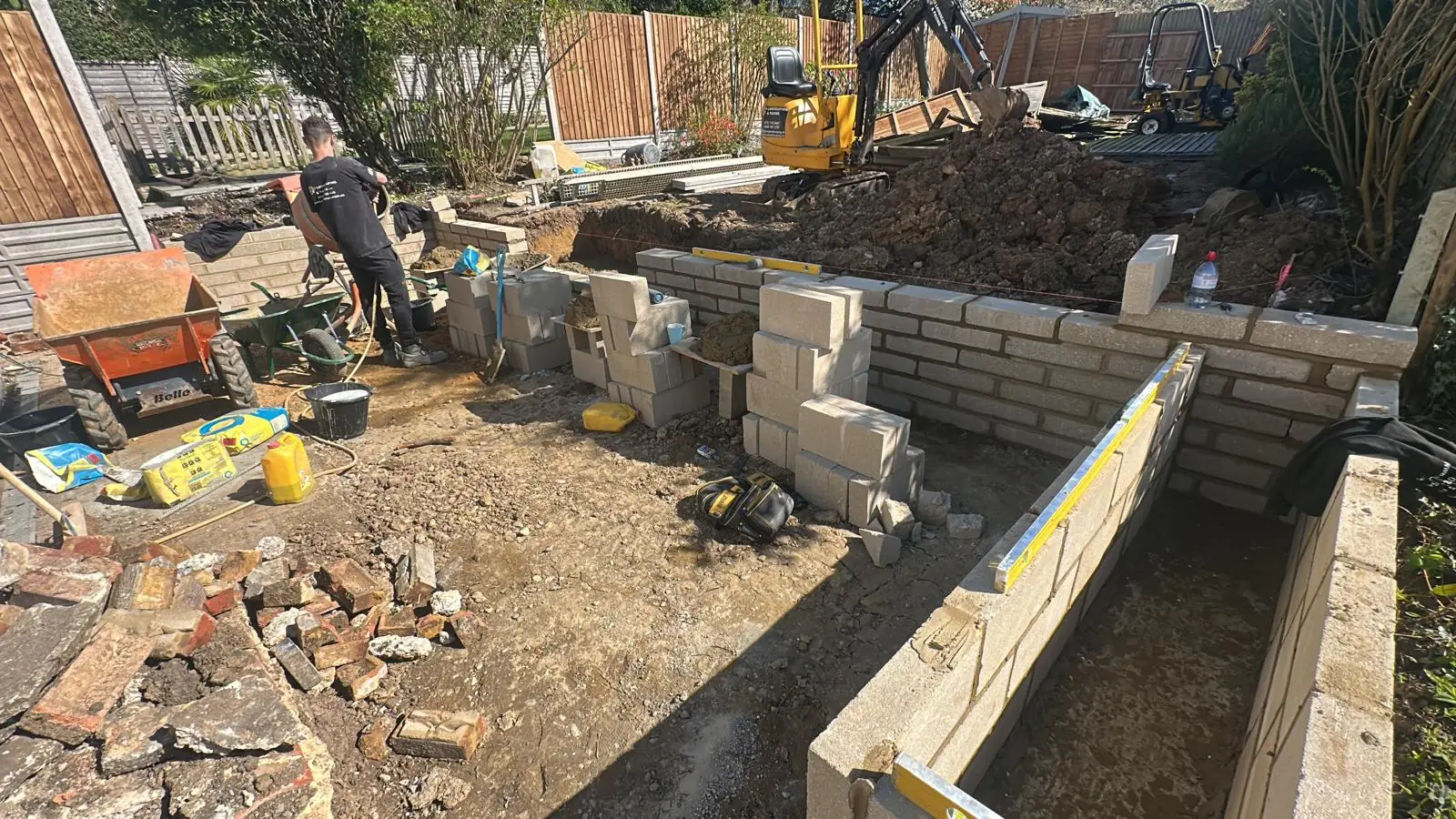
Groundworks is the stage nothing else can start without, and the one most likely to put a programme behind if it goes wrong. BMS Building takes on groundworks packages for builders, developers and main contractors, and for homeowners whose project needs the ground prepared before another trade can begin.
The work covers St Albans, Hemel Hempstead, Watford and Harrow, and more widely across Hertfordshire and the northwest London border, including Borehamwood, Rickmansworth and Bushey.
For builders, developers and main contractors
The short version: a defined package, done on the day agreed, left at the level the next trade needs.
Reliability is the specification here. A groundworks package that runs late does not just run late on its own. It moves the bricklayer, it moves the surface, and on a fixed programme it moves everything behind it. BMS Building's TrustATrader record shows no missed appointments in the last six months, and on a trade job that is the number that matters more than any other on this page.
What gets agreed before anything is dug:
- What "ready" means. The finished level, the tolerance, the build up, and what the next trade is expecting to find. This is the single most common source of a dispute on a groundworks package and it is entirely avoidable in one conversation.
- Setting out and levels. Whose datum, and what it is taken from.
- Access. What can get on site, what it has to get past, and when.
- Where the spoil goes, where the material comes in, and where both can be stood.
- The programme. The date the ground is needed by, and the date it can be started.
How to brief him. Call, or email drawings, a specification, a schedule of works or a marked-up plan. The enquiry form on this site does not take file attachments, so drawings go by email. A site address and an access photograph will get you a more useful first conversation than a description will.
Perry Niven quotes every job himself and comes to site himself. You are not briefing an estimator who then hands it to somebody else. He holds NVQ Level 3 in groundworks, and BMS get CSCS cards when a larger site requires them.
For homeowners
If you are planning an extension, a porch or a major garden rebuild, the groundwork is the stage before your project becomes visible, and it is usually the stage that decides whether the rest of it behaves.
You do not need to know the terminology. What is useful to have ready is what you want to end up with, any drawings you have been given, and an idea of the access: what can get down the side of the house, and whether a machine can reach the back garden or whether everything is coming through by hand. That last one changes a job more than people expect.
Everything below applies to a domestic job in the same way it applies to a trade one.
What the work covers
- Foundations and footings
- Drainage runs and connections
- Concrete slabs
- Kerbing
- Ducting
- Larger commercial and civils work
BMS Building does not offer piling.
Excavation and ground preparation
Digging out to the required depth and leaving the formation sound and to level. What comes out depends entirely on what is there, and what is there is not known until it is opened up: made ground, old foundations, buried concrete from something that used to be on the site, roots, or simply ground that is wetter than it looked.
This is why the site visit matters and why a price given over the phone for a dig is a guess. The dig is the part of the job with the most unknowns in it, and it is better to find them before the quote than after.
Sub-bases
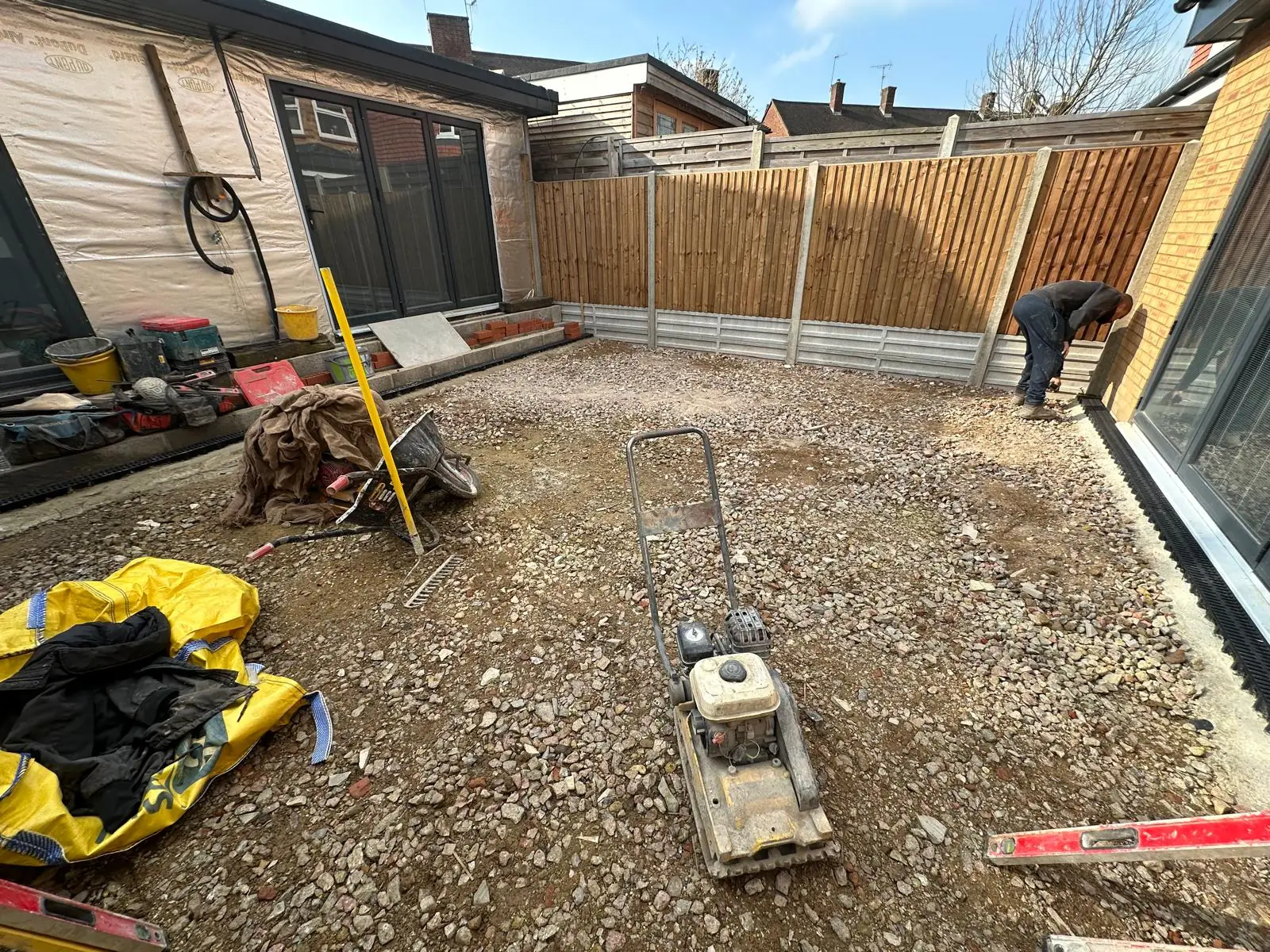
Crushed stone, laid and compacted in layers, to a depth set by what the ground is like and what the finished surface has to carry.
This is the same construction that sits under the driveways and patios on this site, and it fails the same way when it is rushed: compacting the full depth in one pass rather than in layers leaves the lower part loose, and it settles later, unevenly, under load. A sub-base is a structural layer, not a bed of stone to level up on.
Levels and retaining
Where a level changes, something has to hold the difference. Cut into the slope, build up, or both, and retain it with a structure designed for the load rather than a wall that looks like one. For anything over 500mm, BMS bring in a structural engineer.
Water is half of this. Ground behind a retaining structure has to be able to drain, because saturated ground is what pushes retaining walls over. Where a level change sits against a building, the finished ground has to stay well below the damp proof course.
Levels in a garden context, and how they sit with the rest of a garden build, are covered on the landscaping page.
Groundwork for porches and extensions
The stage that has to be right before anything is built on it. Digging out, preparing the ground and leaving it at the level and in the condition the build needs.
What exactly that involves depends on the design, who else is on the job and what has been specified, so it is agreed at the site visit with the drawings in front of both people rather than assumed from a page.
Machine hire
Machines are available for the work, which is what makes a dig a day rather than a week and what makes spoil removal practical at all.
Access decides this more than anything else. What can physically reach the working area, what it has to get past, and whether the ground between here and there will take it. It is settled on the site visit, because it is the sort of thing that cannot be settled any other way.
Waste removal, and the duty of care
BMS (trading as BMS Building & Groundworks Ltd, formerly BMS Landscaping & Paving Ltd) is an Environment Agency registered waste carrier, licence number CBDU453042. Spoil, hardcore, broken concrete, old surfaces and site waste are carried away and disposed of legally.
Whose duty it is depends on who produced the waste. Waste a tradesperson produces while working at your property is theirs, including its transport and disposal. Waste you produce yourself is yours: under section 34(2A) of the Environmental Protection Act 1990 a householder must take all reasonable measures to hand it only to an authorised person, and GOV.UK is explicit that an individual does not need a waste transfer note. A business has the same duty and must also complete a transfer note for each load of non-hazardous waste, with both parties keeping a copy for two years, as set out on GOV.UK's waste transfer notes page.
Check it yourself
Registration numbers for carriers in England begin CBDU. Ours is CBDU453042, and the Environment Agency public register of waste carriers, brokers and dealers lets you check it, or anyone else's, by number, business name or postcode. Asking a contractor for their number takes a moment and is worth doing whoever you hire.
What to ask a groundworks contractor
- What does "ready" mean on this job? Level, tolerance, build up, and what the next trade expects to find. Get it agreed before the dig.
- How is the sub-base being compacted? In layers, or in one pass.
- Where is the spoil going, and who is carrying it?
- What is your waste carrier licence number? Then check it on the public register.
- What happens if the dig finds something? Old foundations, made ground, water. There should be an answer before it happens.
- Who is actually coming to site?
- What access do you need, and have you seen it?
Working with BMS Building
Perry Niven founded BMS Building and quotes every job himself. Over twenty years of driveways, patios, groundworks and gardens sit behind the work.
- Vetted TrustATrader member since 7 March 2018, membership TT13412, with no missed appointments in the last six months
- Environment Agency registered waste carrier, CBDU453042, held by BMS (trading as BMS Building & Groundworks Ltd, formerly BMS Landscaping & Paving Ltd)
Pricing is open and upfront. There are no prices on this page because a groundworks price depends on the volume, the access, the ground, what has to be taken away and what the finished formation has to be. Every quote follows a site visit. The price agreed at the start is the price at the end, and it does not change part way through the job.
Book a site visit
Trade enquiries: call or email with drawings, a specification or a schedule of works, and the dates you are working to. Homeowners: tell us what you are planning and what the access is like.
Common questions
How do I brief you on a job?
Call or email. Send drawings, a specification, a schedule of works or a marked-up plan by email, or describe the job on the phone and we will arrange to come and look at it. There is no file upload on the enquiry form on this site, so drawings go by email. For a trade job the useful things to send first are the site address, the access, the programme dates you are working to, the levels or the setting out if they exist, and what you want the ground left ready for.
What is the duty of care on waste, and does it apply to me?
It follows whoever produced the waste. Waste a tradesperson produces while working at your property is their responsibility, including its transport and disposal. For waste you produce yourself, under section 34(2A) of the Environmental Protection Act 1990, a householder must take all reasonable measures available to them to make sure it is only transferred to an authorised person. GOV.UK states there is no duty on an individual to keep a waste transfer note. A business producing waste has the same duty to use an authorised carrier, and must also complete a waste transfer note for each load of non-hazardous waste leaving the premises, with both parties keeping a copy for two years. Either way, checking the carrier is registered is the step that protects you.
Can you take on the groundwork before another trade follows on?
That is most of what groundworks is. The ground gets dug, prepared and left at the level and the condition the next trade needs, whether that is a builder, a bricklayer or whoever is laying the surface. What matters is agreeing up front exactly what ready means: the level, the tolerance, the build up, and where the spoil and the material are going. That conversation happens at the site visit, and it is quicker with a drawing or a spec in front of both people.
Do you work for main contractors as well as homeowners?
Both. For builders, developers and main contractors the work is usually a defined package on somebody else's programme, and the thing that matters most is turning up on the agreed day and leaving the ground right for the next trade. For homeowners it is usually the stage before an extension, a porch or a major garden job, where nothing else can start until the ground is prepared. The work is the same; the briefing is different.